
What noise and vibration do hyperscale data centers ("HDC") create?
The HDC Sound Monitor project seeks to develop an inexpensive, self-powered environmental monitoring system that can be deployed in multiples around proposed or operating hyperscale data centers.
The target cost is less than $300 per field unit.
The project has two principal goals:
Multiple field units could be deployed at residences, businesses, or other suitable locations. A participating host would provide Wi-Fi access.
Hyperscale data centers contain large numbers of mechanical and electrical systems capable of producing vibration and acoustic energy. Potential sources include cooling equipment, pumps, fans, “chillers”, transformers, electrical infrastructure and backup-generation systems. Conventional environmental noise measurements primarily address frequencies within the audible spectrum. Considerably less publicly accessible information exists regarding very-low-frequency acoustic pressure and/or “infrasound” and ground vibration around large data-center facilities.
Among the questions the project seeks to investigate are:
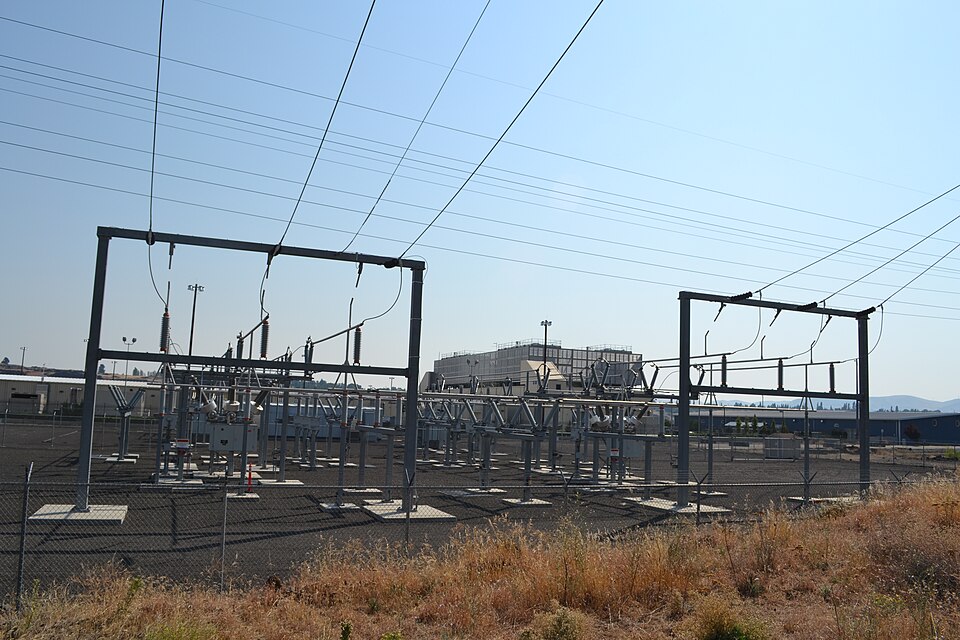
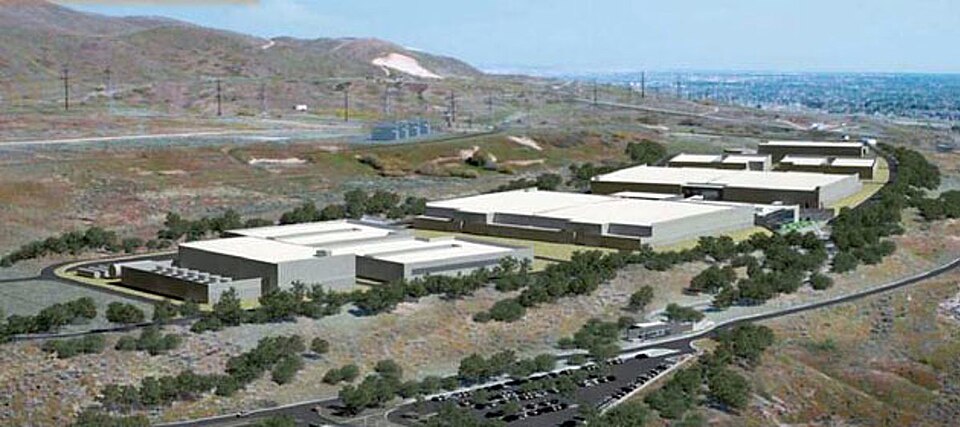
One of the central principles of the project is baseline-first monitoring. Whenever possible, instruments should be installed before construction or operation begins. The same monitor, location, mounting arrangement, sensor orientation and acquisition parameters can then be maintained through construction and subsequent operation.
A genuine before-and-after dataset collected with substantially identical instrumentation reduces some of the uncertainty inherent in retrospective environmental-noise investigations.
The monitor is intended to characterize environmental energy from approximately 2 Hz upward through the conventional acoustic spectrum using three complementary sensing technologies.
A vertical geophone measures ground motion. Current prototype sensor: LGT LGT-20D4.5 vertical seismic geophone Nominal resonant frequency: 4.5 Hz. The geophone requires an analog signal-conditioning and digitization system, aka “analog-to-digital”. Electronic extension of useful response below the nominal geophone resonance is also an area of investigation.
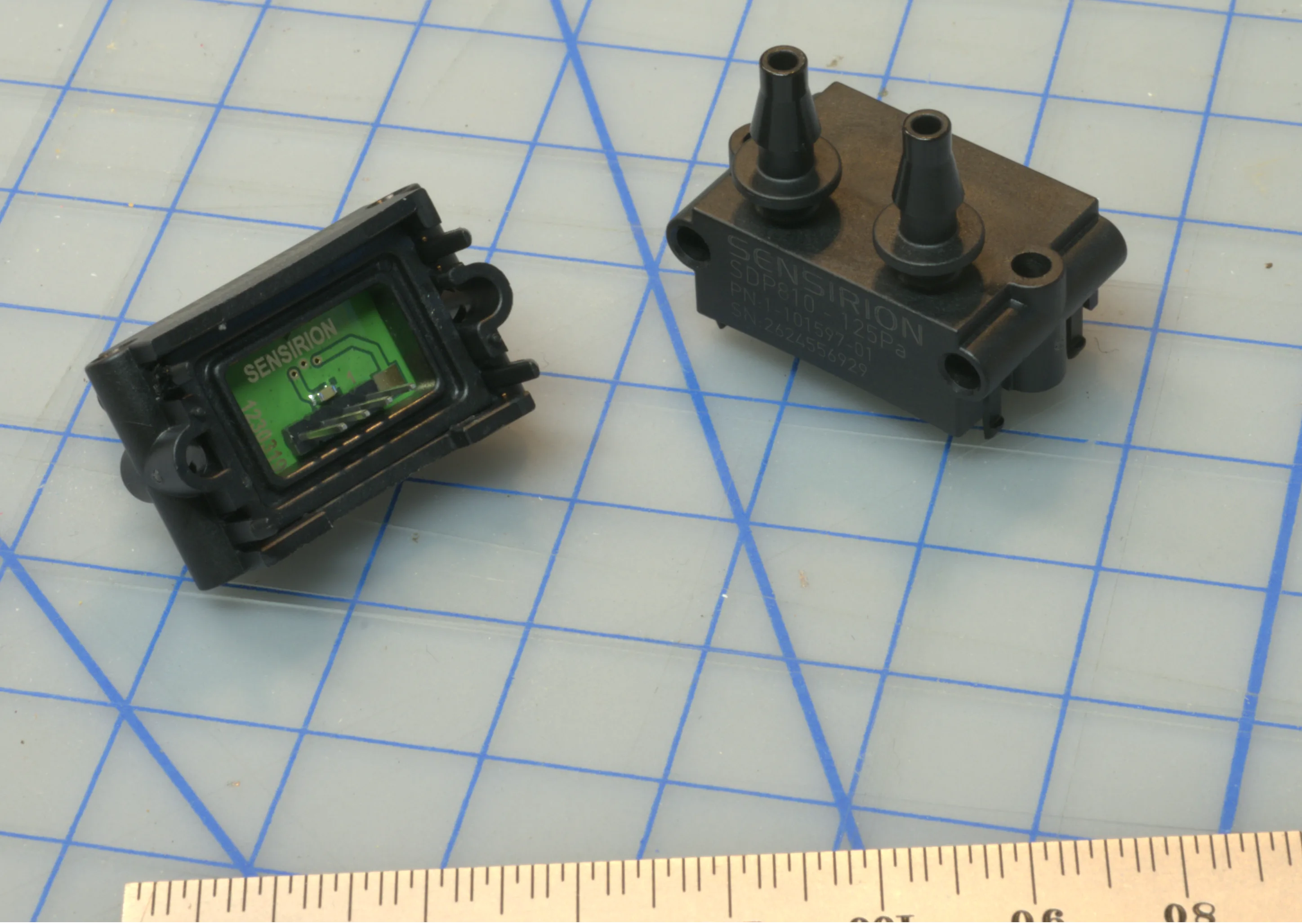
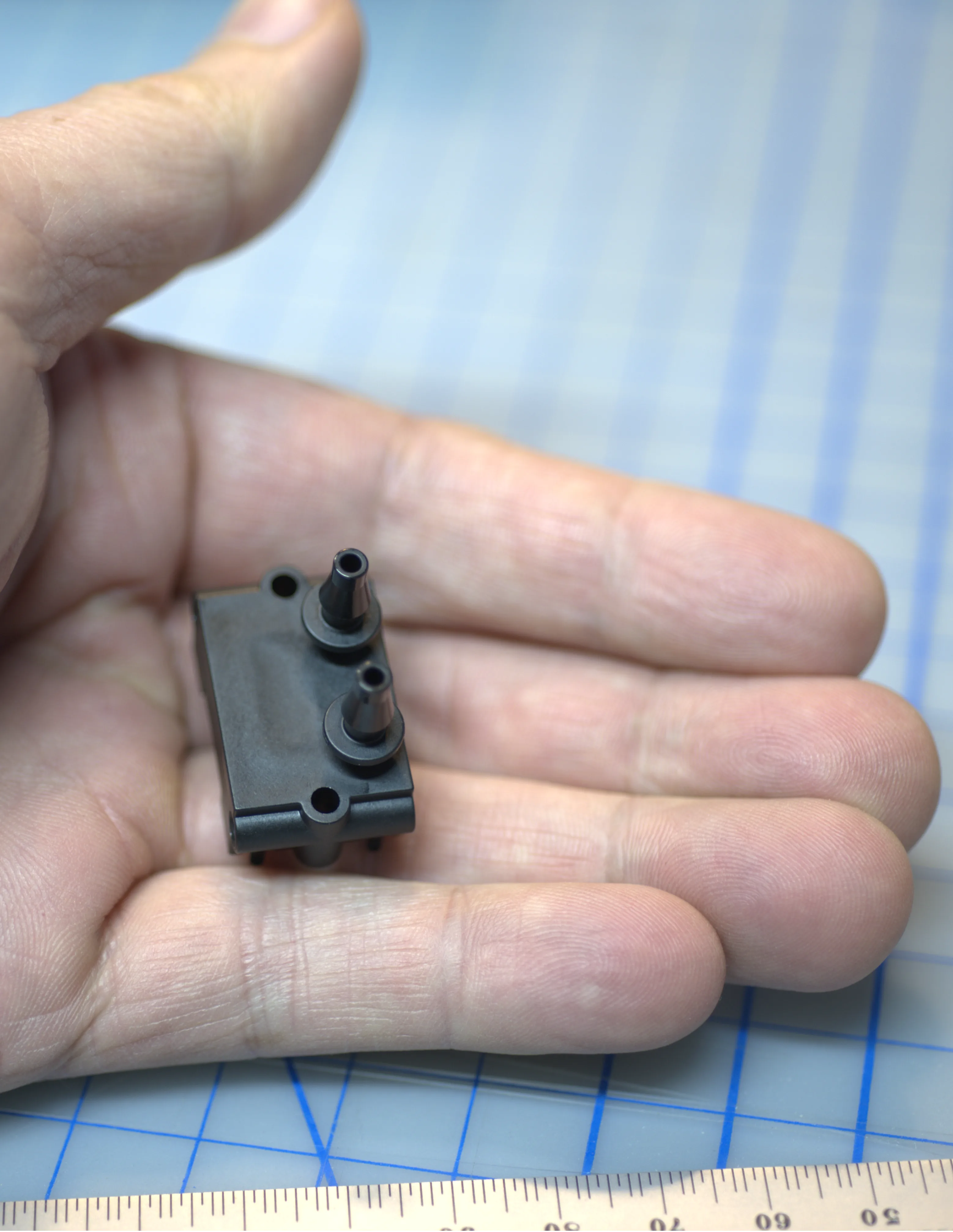
A sensitive differential-pressure sensor measures slow atmospheric pressure fluctuations. Current prototype sensor: Sensirion SDP810-125Pa which has a small differential-pressure range. Pneumatic coupling, capillaries, reference volumes, wind rejection and mechanical filtering need to be developed.
A MEMS microphone measures conventional acoustic pressure and extends the system into the normal audible range. Current prototype microphone: TDK InvenSense T5838. A custom PCB is being developed around the microphone rather than relying permanently upon an existing development board.
The three sensors do not measure exactly the same physical phenomenon.
The geophone measures ground motion.
The differential-pressure sensor measures atmospheric pressure variations.
The microphone measures acoustic pressure.
A signal observed by only one sensor may have a very different explanation from a signal observed simultaneously by several sensing modalities. For example, a transient that appears strongly in a geophone but not in either air-pressure sensor may primarily represent ground-borne vibration. A low-frequency event observed simultaneously in the geophone and atmospheric-pressure sensor may suggest coupling between ground vibration and airborne pressure. Likewise, measurements from several geographically separated monitoring stations may make it possible to distinguish a localized disturbance from a signal occurring throughout a broader area. The distributed architecture therefore provides information that a single microphone or sound-level meter cannot provide by itself.
A complete HDC Sound Monitor field unit is expected to contain:
The initial controller platform is:
Adafruit ESP32-S3 Feather 8MB with w.FL antenna connector
The ESP32-S3 provides sufficient processing capability for data acquisition, local processing and network transfer while remaining inexpensive and relatively low power.
An external antenna can be mounted outside a weather-resistant enclosure using a w.FL/MHF3-to-RP-SMA cable.
The project is intended from the beginning to support multiple monitoring stations. A field unit installed at a participating residence or business could use the host’s Wi-Fi connection to periodically transfer collected information to a central server.
The central system could maintain:
The eventual system should make it possible to compare:
Accurate time is particularly important in a distributed monitoring system. Each field unit should periodically synchronize against an NTP stratum 1 (direct from satellite) time server. The system should record enough timing information to detect and quantify clock drift.
Accurate timestamps make it possible to determine whether an event appearing at one station also occurred at another station and whether signals recorded by different sensor types correspond to the same physical event.
Freight trains provide one useful experimental source.
Train pass-bys can produce:
They therefore provide a practical source for developing analysis techniques and comparing sensor responses. Train monitoring is not the objective of the HDC Sound Monitor project. It is an experimental method for developing and validating techniques intended ultimately for data-center monitoring.
Different sensors can be operated simultaneously at the same site. This permits comparison of:
Where possible, an HDC Sound Monitor should eventually be operated alongside a calibrated or otherwise well-characterized reference instrument. The objective would not necessarily be to claim laboratory-grade calibration, but to establish known relationships between the inexpensive monitor and an independently characterized measurement system.
Each sensor channel should ultimately have documented information concerning:
The following components are presently being evaluated or incorporated into prototype development.
| Function | Prototype component | Approximate cost |
|---|---|---|
| Ground vibration | LGT LGT-20D4.5 Seismic Geophone Sensor, 4.5Hz Vertical | $49.98 |
| Atmospheric pressure | Sensirion AG SDP810-125PA pressure tranducer | $30.86 |
| Acoustic pressure | TDK Invensense MMICT5838-00-012 MEMS module | approximately $2.19 each in quantity 10 |
| Controller | Adafruit ESP32-S3 Feather 8MB with w.FL Antenna | $17.50 |
| External antenna | 2.4GHz Dipole Swivel Antenna with RP-SMA - 5dBi | $8.95 |
| Antenna cable | COAX CBL RP-SMA TO W.FL MHF3 | $2.95 |
Prices are as of September 2026.
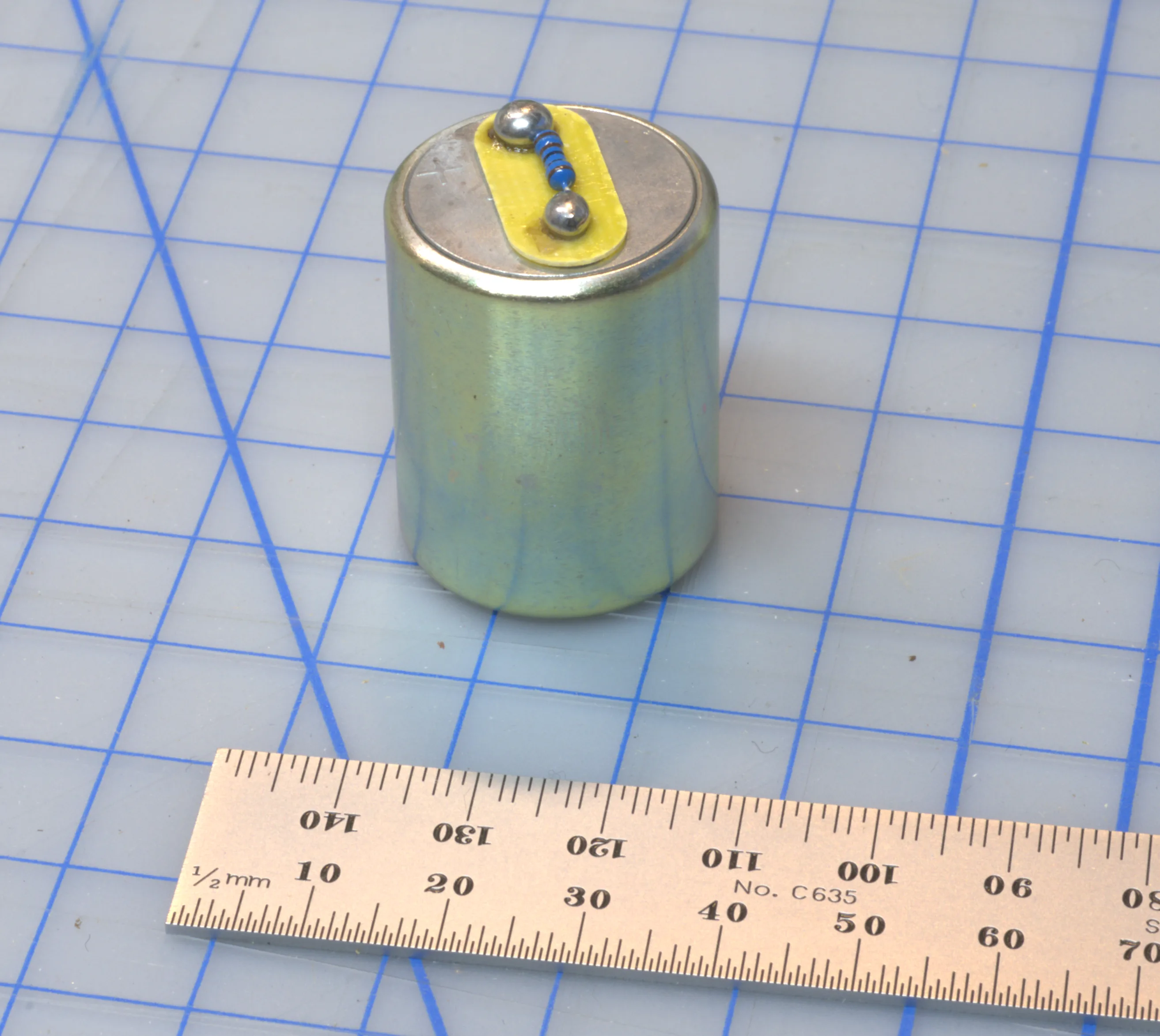
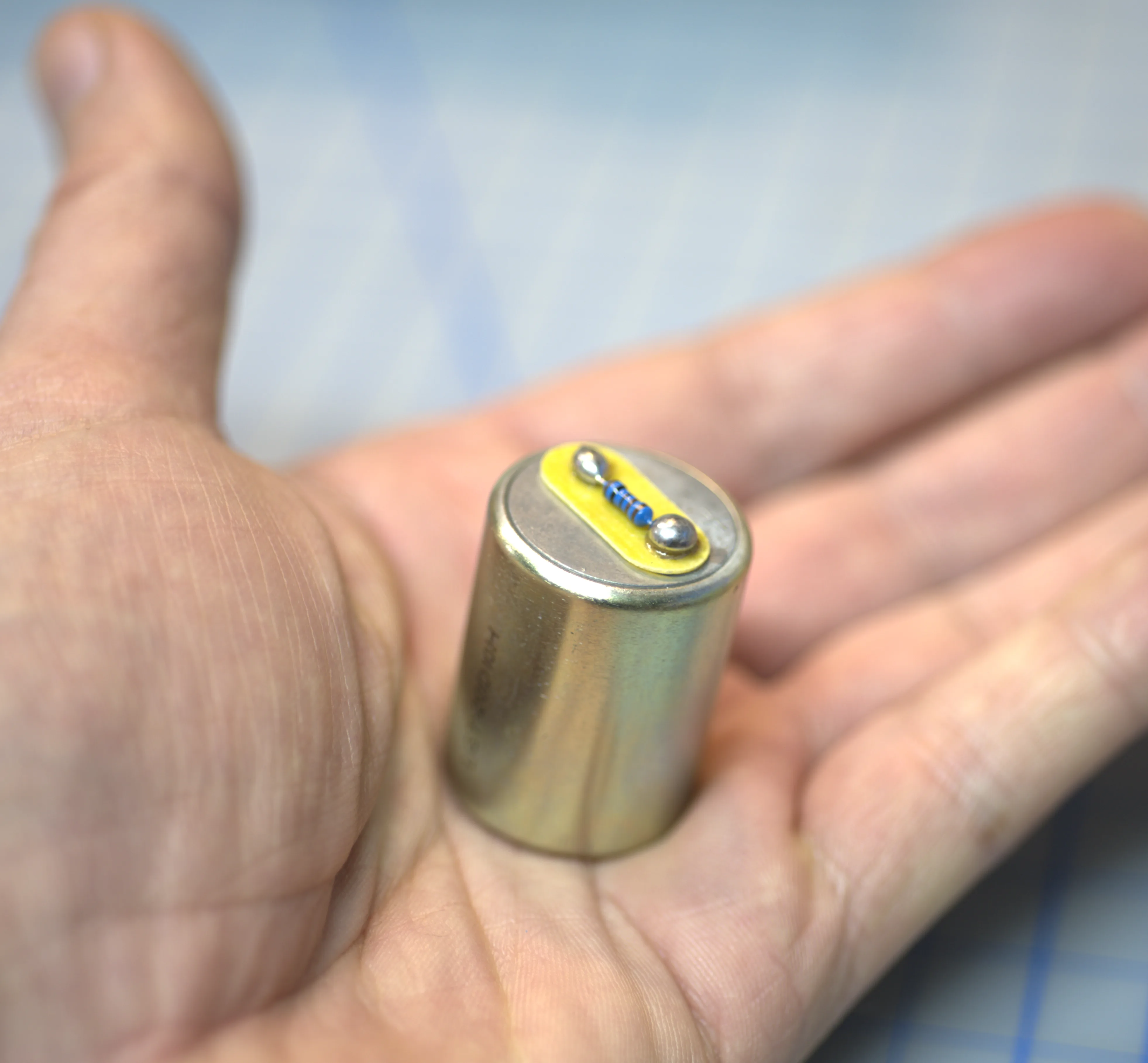
The power system remains under development and probable components include:
The final battery and solar requirements will depend heavily upon:
Power consumption should therefore be measured experimentally before final battery and solar-panel sizing.
A field instrument must function outdoors for long periods without allowing the enclosure itself to corrupt the measurements.
The enclosure design must address:
The requirements of the three sensors differ considerably.
The electronics must be protected from weather while the microphone and pressure sensor must remain appropriately coupled to the surrounding atmosphere.
The geophone, by contrast, requires reliable mechanical coupling to the ground or supporting structure.
Software will be required at several levels.
The field monitor firmware will eventually need to perform functions including:
A central server could provide:
Analysis tools will likely include:
The HDC Sound Monitor should ultimately satisfy the following general objectives.
A complete field station should target a cost below $300.
Another technically capable participant should be able to construct substantially the same instrument from documented components, PCB files, firmware and mechanical designs.
Known limitations and sensor responses should be documented rather than hidden.
A station should operate for long periods without routine physical intervention.
A station should be capable of periodically transferring its data to a central server.
Temporary loss of Wi-Fi or Internet connectivity should not result in loss of measurements.
Measurements from multiple sensors and stations should be comparable in time.
Individual sensors, ADCs, controllers or communication methods should be replaceable as improved components become available.
Schematics, firmware, PCB layouts, analysis methods and relevant design documentation should be available to project participants.
A number of important engineering decisions remain unresolved.
These are opportunities for experimentation and participation rather than deficiencies to conceal.
Current questions include:
Current development equipment includes:
Several projects and individuals have influenced the development of the HDC Sound Monitor.
Raspberry Shake RS&BOOM | Seismo Acoustic Monitor ($1,254.99 - 9/24/26) whose architecture is conceptually relevant to the HDC Sound Monitor, although this project seeks a lower-cost and lower power consumption so battery + solar is a viable power source.
The Adafruit ICS-43434 Product ID: 6049($8.95 - 9/24/26) microphone breakout provides a useful reference design for integrating an I2S MEMS microphone with a small PCB. The original ICS-43434 is obsolete.
Bill Waslo’s article on DIYAudio.com “A DIY MEMS Measurement Microphone”
Ian Nesbitt’s posting on the Raspberry Shake forum “The sound of a train in the distance”. Ian provides a recording of a distant train in Williamstown, MA, which provides a useful real-world dataset for learning how vibration events appear in waveform, FFT, spectrogram and background-normalized analyses. These derivative analyses have been useful in developing the signal-analysis methodology that may later be applied to data-center monitoring.
Felix Russo (LowPowerlab) video “DIY home-made SMT metal stencil - the definitive tutorial” and “DIY manual SMT pick and place tool for $20”
HDC Sound Monitor is hosted at https://salemdata.net/repo/jlpoole/HDC_Sound_Monitor which is a privately operated Forgejo server. Public anonymous repository access will not be enabled. Access and participation are nevertheless welcome, please contact John Poole providing
Potential areas where participation would be particularly useful include:
The goal is to develop a technically defensible monitoring platform through documented experimentation and collaboration.
The HDC Sound Monitor is fundamentally a measurement project whose purpose is to make it practical to collect enough well-documented measurements to determine what is actually present. An inexpensive instrument deployed at many locations, carefully characterized and operated before and after construction, may provide environmental information that would otherwise never exist. That dataset may ultimately be more valuable than any individual piece of hardware developed by the project.