Below is a focused, technical comparison of the two GNSS module options offered for the LilyGO T-Beam Supreme, followed by a recommendation specifically for a mobile unit in the United States.
GNSS module options on the T-Beam Supreme
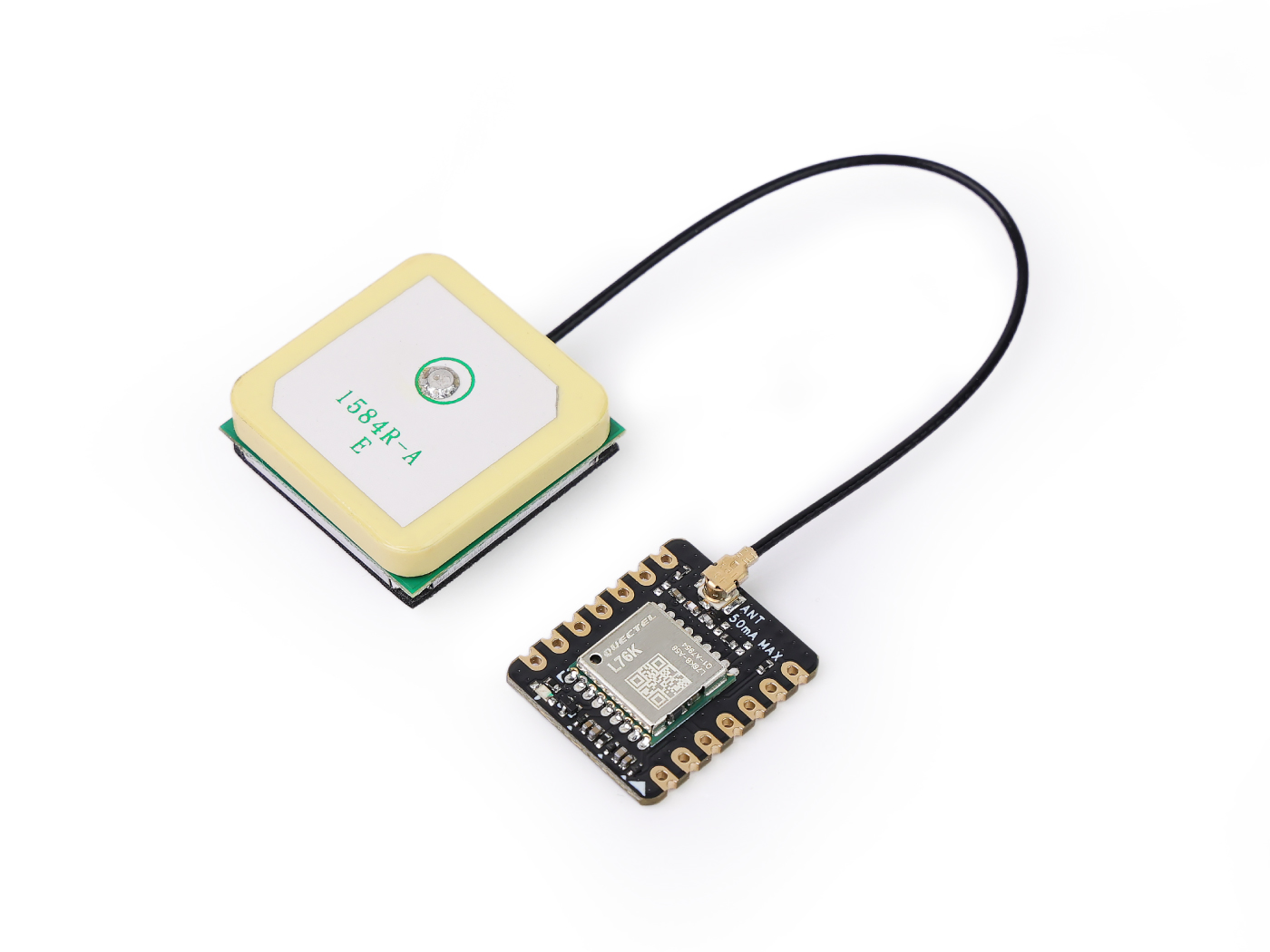
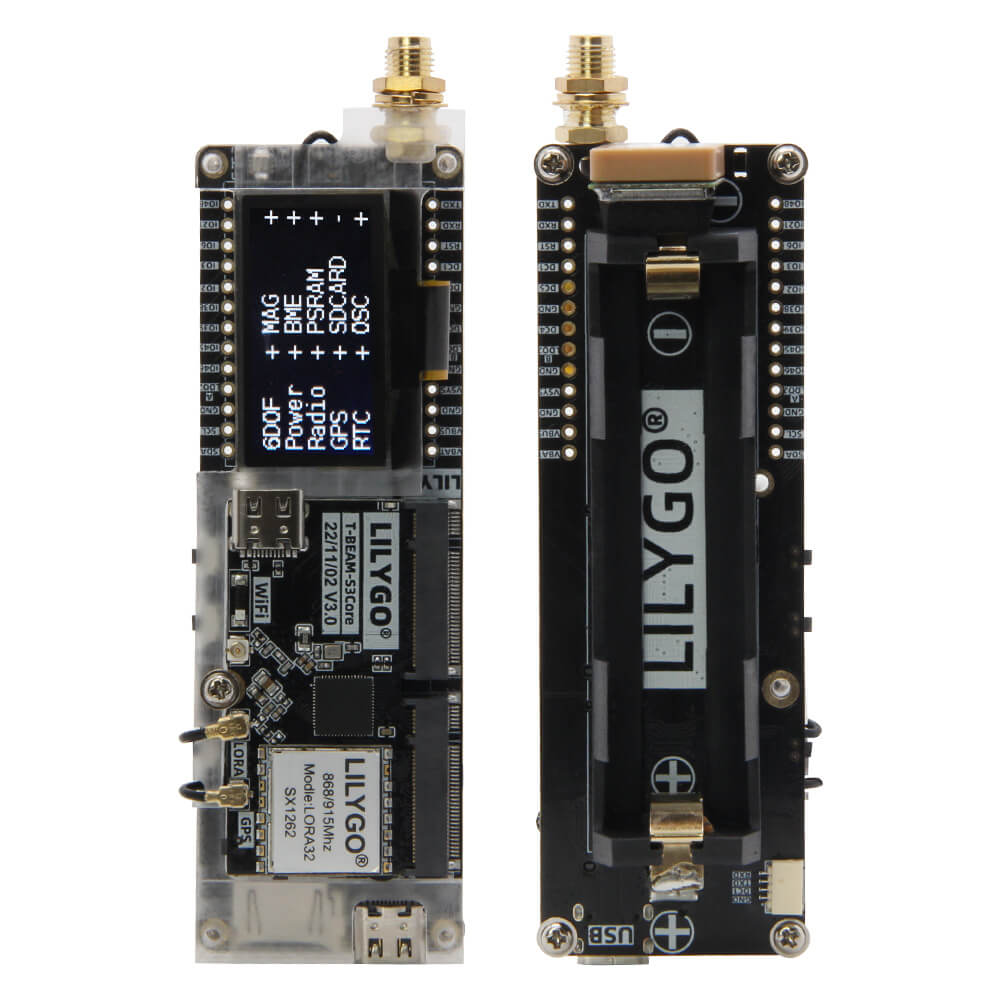
1. Quectel L76K
Type: GNSS (multi-constellation) Constellations supported:
- GPS (USA)
- GLONASS (Russia)
- Galileo (EU)
- BeiDou (China)
- QZSS (Japan)
- SBAS (WAAS in the USA)
Key characteristics
- Modern, low-power GNSS chipset
- Fast cold-start and good tracking sensitivity
- Designed for wearable and battery-powered devices
- Small RF footprint; tolerant of sub-optimal antennas
- Fully supports WAAS, which is important in North America
Operational implications
- Excellent performance while moving
- More resilient to intermittent sky view (pockets, jackets, dog harnesses)
- Lower steady-state current draw than older modules
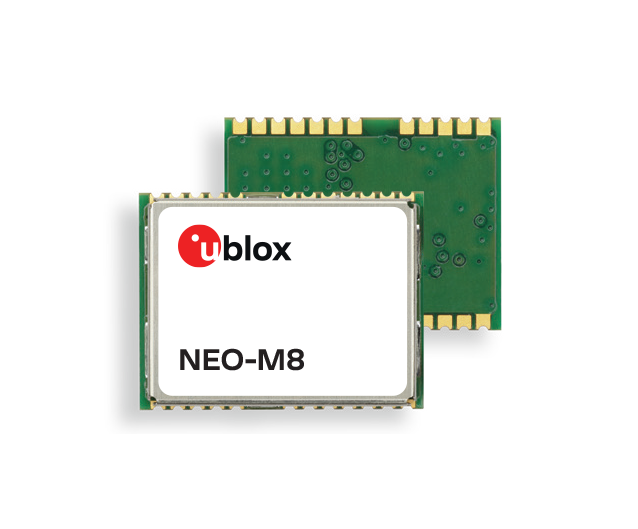
2. u-blox NEO-M8 (M8N/M8Q family)
Type: GNSS (multi-constellation, earlier generation)
Constellations supported (variant-dependent):
- GPS
- GLONASS
- Galileo
- BeiDou
- SBAS (WAAS)
Key characteristics
- Extremely mature and well-documented chipset
- Broad tooling support (u-center, extensive configuration options)
- Slightly higher power consumption than L76K
- Larger module footprint
- Very stable long-term operation
Operational implications
- Rock-solid for fixed or vehicle-mounted nodes
- Slightly slower reacquisition when repeatedly blocked/unblocked
- Power draw matters more in pocket-sized, battery-only devices
Side-by-side summary
| Attribute | Quectel L76K | u-blox NEO-M8 |
|---|---|---|
| Generation | Newer | Older but mature |
| Power consumption | Lower | Higher |
| Mobile tracking | Better | Good |
| WAAS (USA) | Yes | Yes |
| Cold-start speed | Faster | Slower |
| Tooling ecosystem | Moderate | Excellent |
| Best use case | Wearable / handheld | Fixed / vehicle |
Recommendation for a mobile unit in the USA
For your stated use case—a mobile unit that may be pocketed, worn, or attached to a dog—the Quectel L76K is the preferable choice.
Why:
- Better tolerance of marginal sky visibility
- Faster reacquisition after brief signal loss
- Lower power draw → longer battery life
- Full WAAS support in the United States
- Optimized for modern low-power GNSS use cases
The u-blox NEO-M8 remains an excellent module, but its strengths shine more in vehicle-mounted, fixed, or externally powered installations where power and reacquisition latency are less critical.
Practical note (important for mobility)
Regardless of module choice, antenna orientation and ground plane matter more than chipset choice in wearable scenarios. A well-matched ceramic or flexible PCB antenna with a decent ground reference will yield more real-world improvement than switching GNSS modules.
If you want, I can:
- Recommend specific antennas that pair well with the L76K for pocket or harness use
- Compare patch vs. PCB vs. flexible antennas for your walking scenarios
- Discuss assisted-GNSS (A-GNSS) options when Internet backhaul is occasionally available