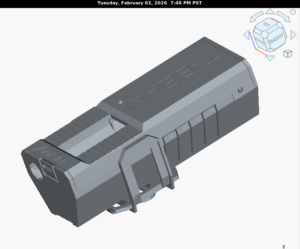
The LilyGO T-Beam SUPREME (L76K, 915 MHz, ~$41, specification here) is my choice for my Reticulum mesh field test. The T-Beam SUPREME is a very versatile unit having an abundance of features, including GPS and SD card capability — good for logging field tests. The unit comes without a case, so you need to procure a case. LilyGO offers a case design at its GitHub page here; the 3 STL files are inside a zip archive: …/dimensions/T-Beam-Supreme.zip Here is a 3D rendering of the case’s three STL files:
A very colorful case made by user @TonyG at printables.com is here, but the case was not designed with a slot so you could access the SD card reader/writer without having to take the case apart. User @Dekkia has some very stunning modifications of TonyG’s design. But… In any situation where mesh networking is relied upon for coordination in public or semi-public spaces, do you really want your case to stand out making you a target? Visibility and conspicuousness are not neutral properties in field mesh deployments.
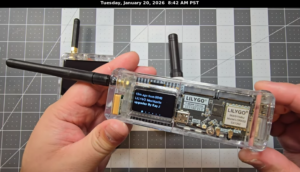
One person, user Ray J, created a fully transparent case, but the material used is really only good for looks and display, it is not a material you can hope will endure actual use. Here is his video. I posted a question in the comments about the cost both on his YouTube and on printables.com page, he did not respond. I obtained a quote from PCBWay for a resin unit and with bank charges and tariffs, it came out to US $150+.
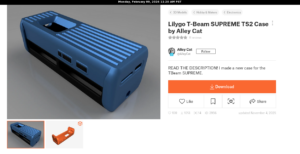
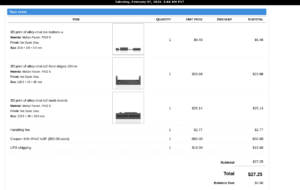
The case that I like and was well-reviewed is from Alley Cat; the designer did take into consideration the SD card slot, so I contracted with Sculpteo to print a nylon version of the case. This is my favorite case and makes the notion of trying to build a superior case seem futile.
I obtained a special one-time only discount from Sculpteo that compelled me to place the order; I specified PA12 (a type of Nylon).
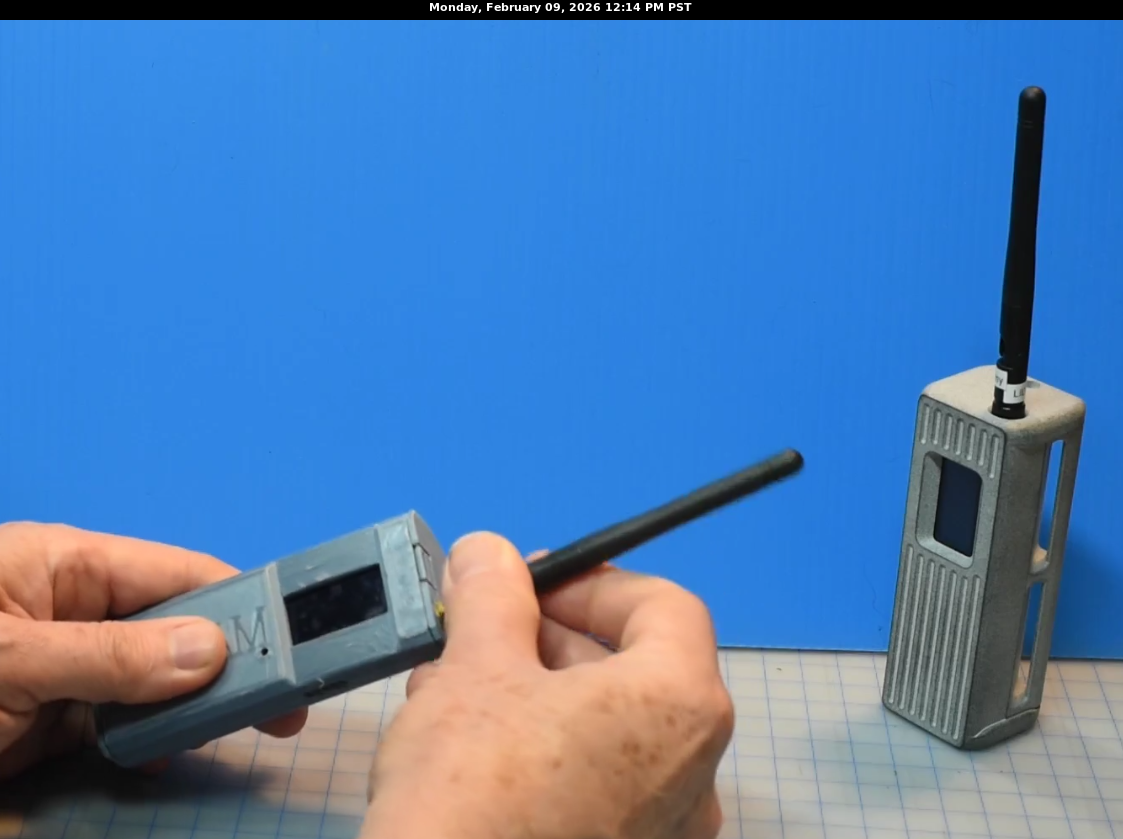
A kind colleague I just met on the Spark Studio Salem’s Discord channel offered to print the LilyGO case when I posted on the channel my concern that the LilyGO case files might not fit with the assembly that was shipped. He used “PLA” (polylytic acid) and printed the case front and panel at the same time and it took 3.5 hours. He printed the clip separately and that took about 1 hour. Total filament consumption: 39 grams. He estimates you probably could print 22 cases off a single spool which costs about $22/spool, so the filament cost for a case is about $1. I was initially concerned the LilyGO STL files might not fit current shipments. With a local test print, I confirmed that as of January 2026 US-warehouse units, they do fit.
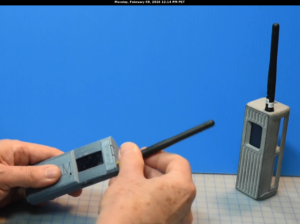
Here is a video (7′ 49″, 142MB) comparing the Alley Cat and LilyGO cases, the Alley Cat wins. The key limitation becomes apparent once you consider material durability and access.
Leave a Reply