Category: Codex
-
Reticulum 1.3.7 vs. My 1.3.5 Protocol Specification
Since no specification exists for the Reticulum protocol, I previously undertook to derive a specification from the Mark Qvist implementation. See A Reticulum Protocol Specification, Extracted from the Implementation (“Specification”). When I did so several weeks ago, I was working against Reticulum version 1.3.5. In source control parlance, that means the Specification I created is…
-
Reticulum: A Precision Trace Among 7 Nodes
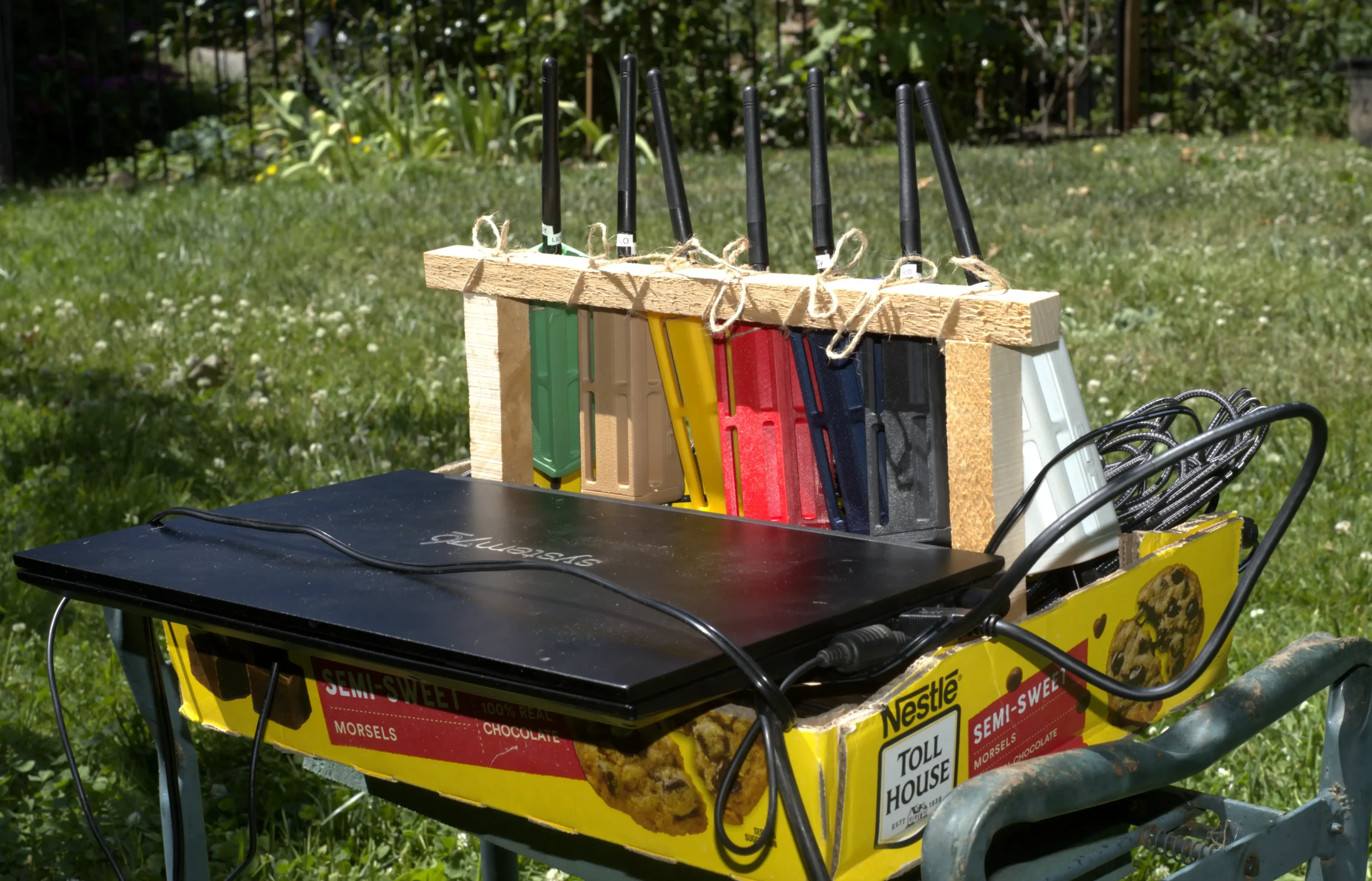
What actually happens inside a Reticulum mesh running over LoRa when two endpoints cannot communicate directly? I built a seven-node testbed using LilyGo T-Beam SUPREME units named AMY, BOB, CY, DAN, ED, FLO, and GUY. AMY and GUY exchange one encrypted “Hi” message per minute, while software-defined radio blocks force their traffic through the other…
-
Reticulum Testing: Seeing the Invisible Transmissions
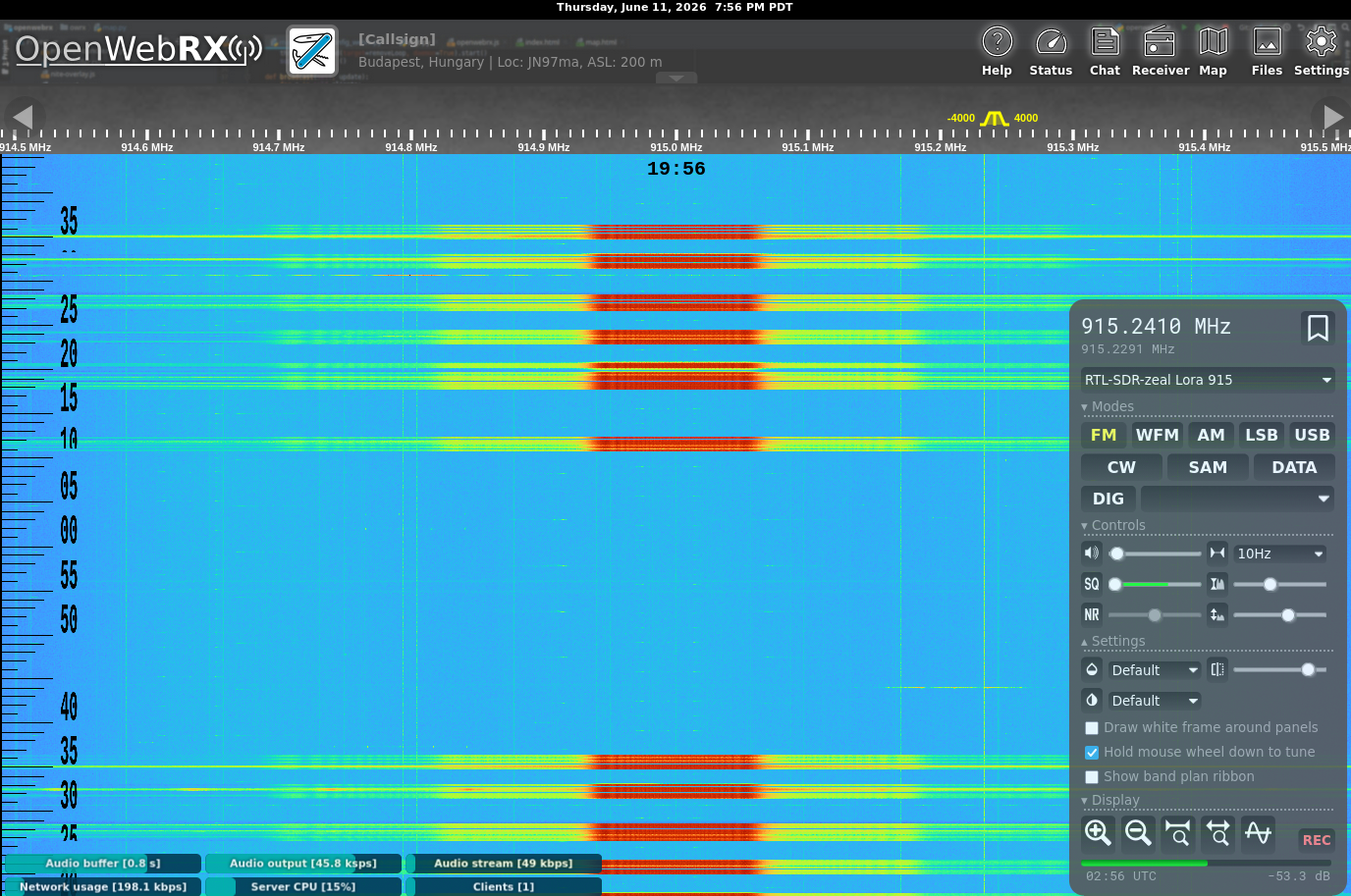
highly technical I’m testing microReticulum, a C++ implementation of Reticulum. I’ve specifically been testing the LINK and transport mechanism. I have three units: BOB, CY & DAN. While all three units are within broadcast range of one another, I have purposefully caused BOB and CY not to be able to receive each other’s transmissions. This…
-
A Reticulum Protocol Specification, Extracted from the Implementation
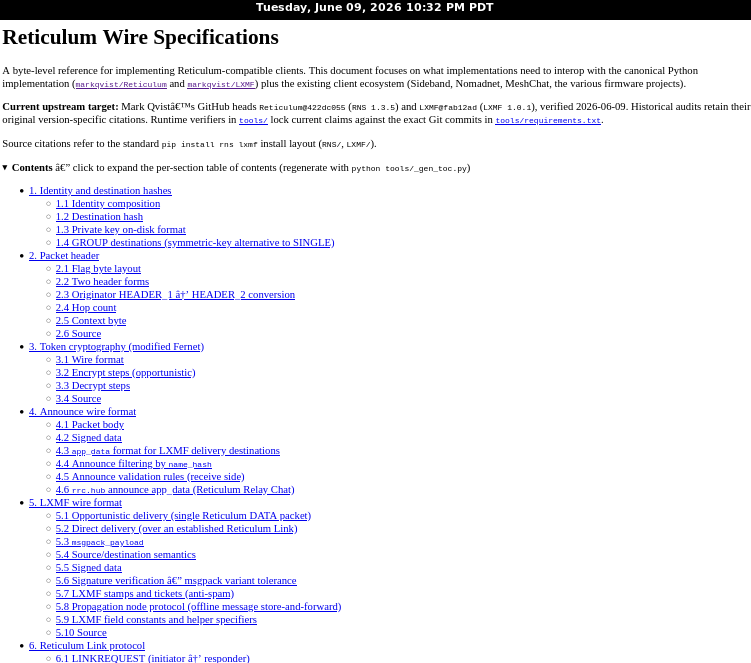
<p data-start="2791" data-end="3113">I undertook an effort to guide OpenAI’s Codex into creating a specification document for the Reticulum protocol. I had learned that, in practice, Reticulum’s “protocol” is treated more as a reference implementation: the code tree is the embodiment of the protocol, and there is no separate defining specification document.</p> <p data-start="3118" data-end="3167">Long story…
-
Reticulum on Rust: Comparison Of Two Projects
<p><strong><span style="color: #ff0000;">highly technical</span></strong></p> <p>There are two projects that came to my attention where the Reticulum implementation is built using the Rust programming language. I know very little Rust, but I have been impressed with everything so far. Scott Lamb of the <a href="https://github.com/scottlamb/moonfire-nvr">Moonfire NVR</a> project has been suggesting I learn Rust since 2018, and…
-

Creating A Specification After the Fact Using AI
Introduction Protocol specifications are normally written before independent implementations are attempted. The specification is the common contract: it tells each implementer what must be sent, what must be accepted, what may be rejected, and what behavior is expected. Reticulum and LXMF present a different problem: much of the “protocol” must be inferred from a working…
-
Herding T-Beam Cats
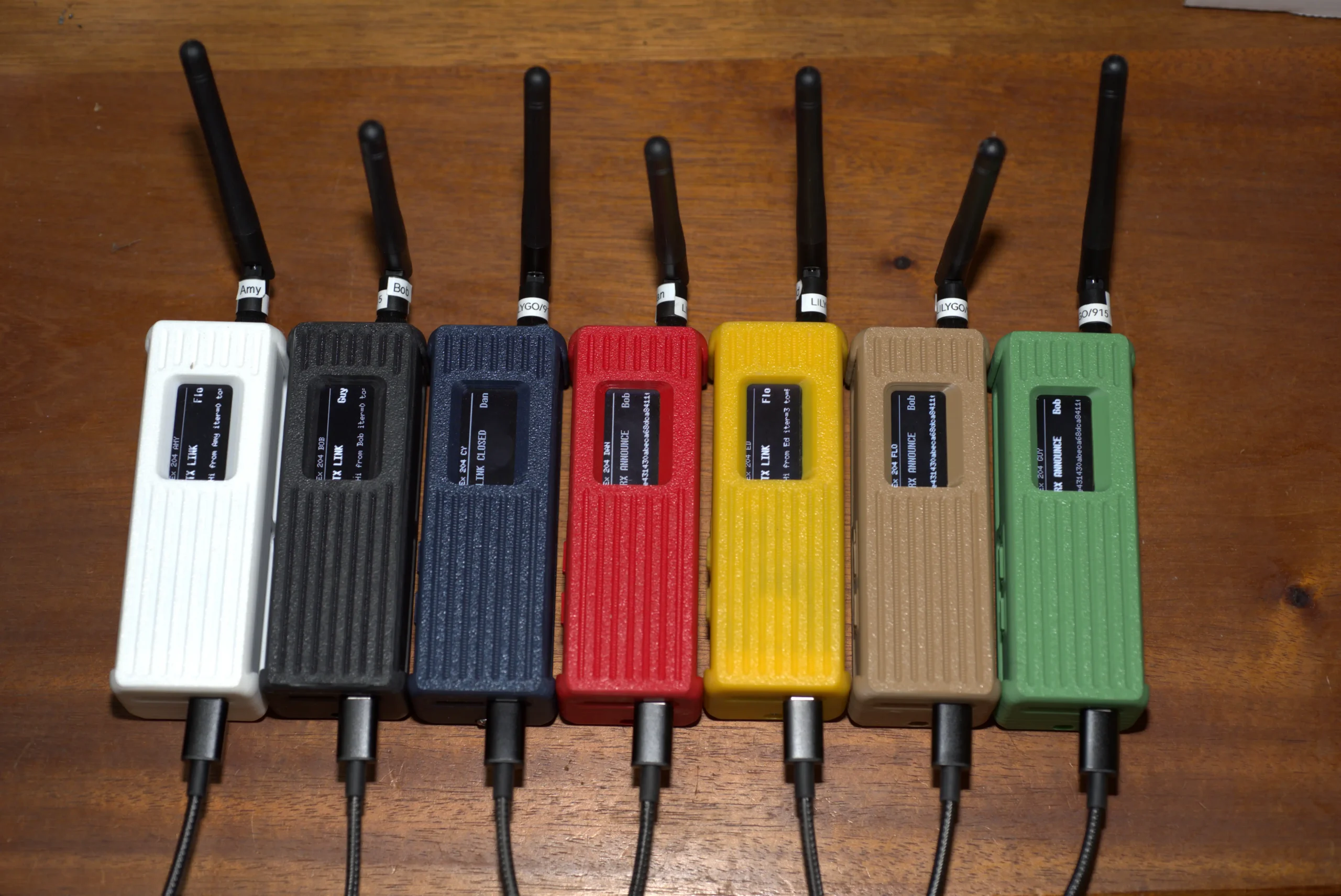
Highly technical, but written for those who are blessed with curiosity Introduction I’m testing microReticulum, a C++ implementation of the Reticulum protocol developed by Chad Attermann, on 7 LilyGo T-Beam SUPREMEs. The T-Beams use the ESP32-S, a game-changing small processor. I’ve built an elaborate testing bench which I wanted to document should someone in the…
-
Bluetooth Signal Strength Testing
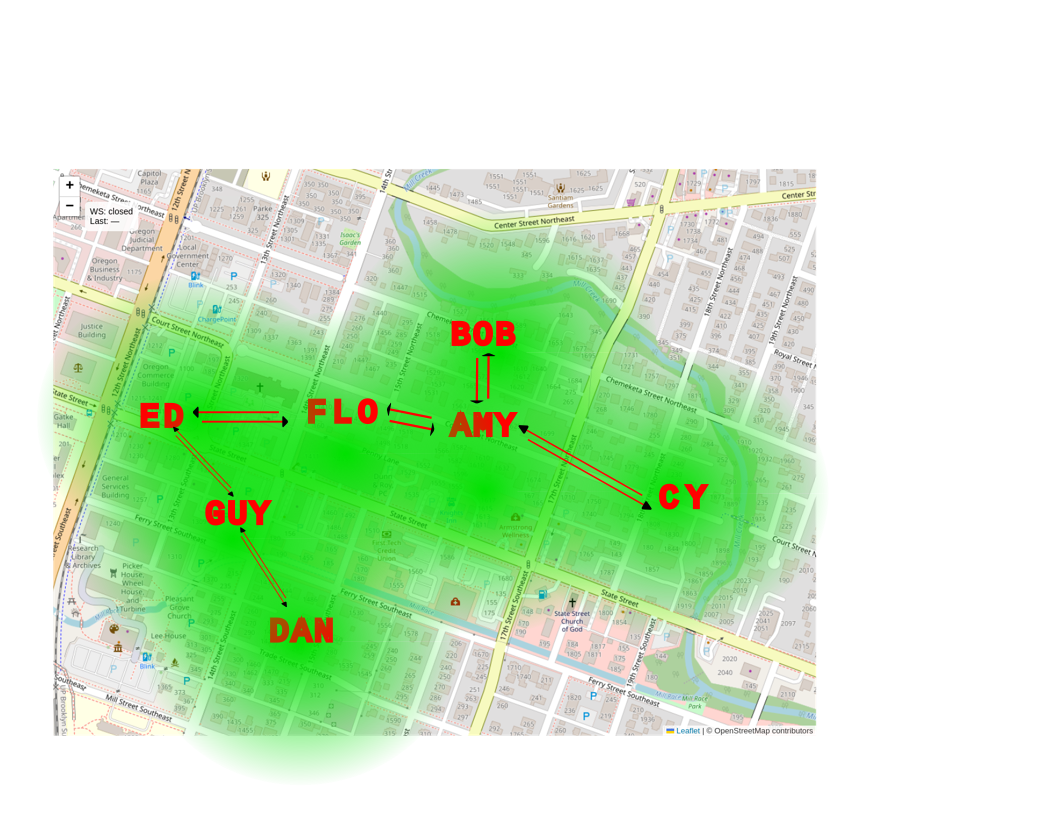
<p>Now that I have Bluetooth working with Reticulum on the T-Beam, I have the option of testing my Reticulum mesh using Bluetooth instead of Lora. Were I using LoRa, I would have several people walking the neighborhood in an expanding circle fashion so that each node can only reach one other node. This requires having…
-
Hardware-in-the-Loop AI Debugging: Reticulum Bluetooth on the T-Beam Supreme Works
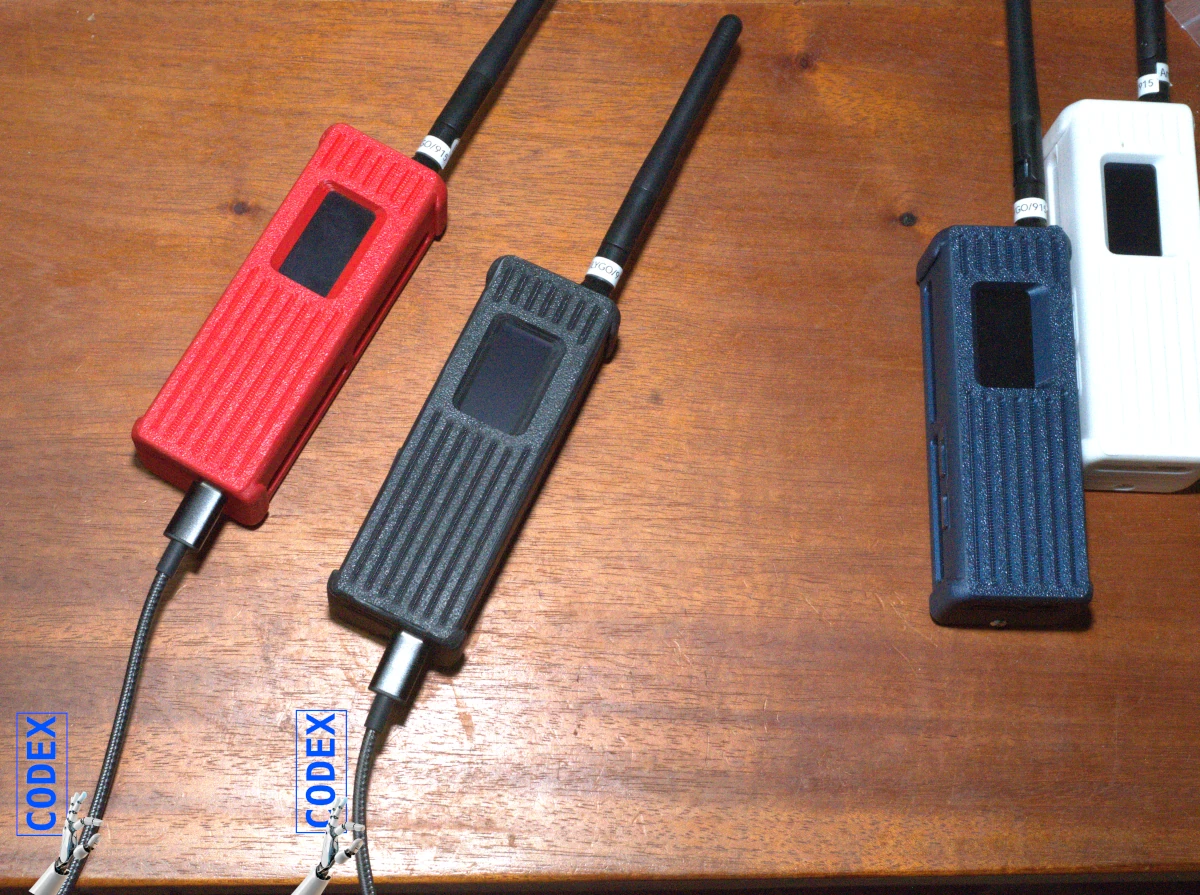
Highly Technical Harnessing AI to control USB-connected devices can dramatically shorten hardware debugging cycles. I have successfully integrated the ble-reticulum C++ (protocol created by Torlando) interface into the microReticulum code. I built a binary image for the ESP32-based LilyGo! T-Beam SUPREME which I loaded into two T-Beams. The two T-Beams then negotiate a Bluetooth “pairing”…