Category: Chatgpt
-

MEMs Microphone Investigation
<p><strong>Technical / DIY</strong> — for those interested in do-it-yourself sound monitoring of hyperscale data centers and related circuitry</p> <p>I’ve been mulling over Preston Blackburn’s Remote Audio Monitor design (see <a href="https://salemdata.net/johnpress/?p=1223">Monitor Sounds From a Data Center?</a>) and assessing its ability to monitor infrasound (<20hz) and low frequencies between 20 Hz and 50 Hz. Blackburn uses…
-
Monitor Sounds From A Data Center?
A recent article, “[t]he complex corporate web behind a \$3.2 billion AI data center When multiple companies are behind one project, who bears responsibility for problems?” published by Ars Technica at link, intrigued me. There was a reference to a resident living in a house built in 1892 who complained of the constant noise from…
-
An In-House Text-to-Speech Service for ESP32 Projects
Making your ESP32 Talk. YouTuber Dronebotworkshop published a video “Text to Speech on ESP32 – Wit.ai & OpenAI TTS“. “Text to Speech” is often referred to by the acronym TTS. His solution encompasses using third-party services, specifically Meta and OpenAI. For Meta, you have to have an account and you create an application within your…
-

Reticulum: A Precision Trace Among 7 Nodes
What actually happens inside a Reticulum mesh running over LoRa when two endpoints cannot communicate directly? I built a seven-node testbed using LilyGo T-Beam SUPREME units named AMY, BOB, CY, DAN, ED, FLO, and GUY. AMY and GUY exchange one encrypted “Hi” message per minute, while software-defined radio blocks force their traffic through the other…
-
Reticulum Testing: Seeing the Invisible Transmissions
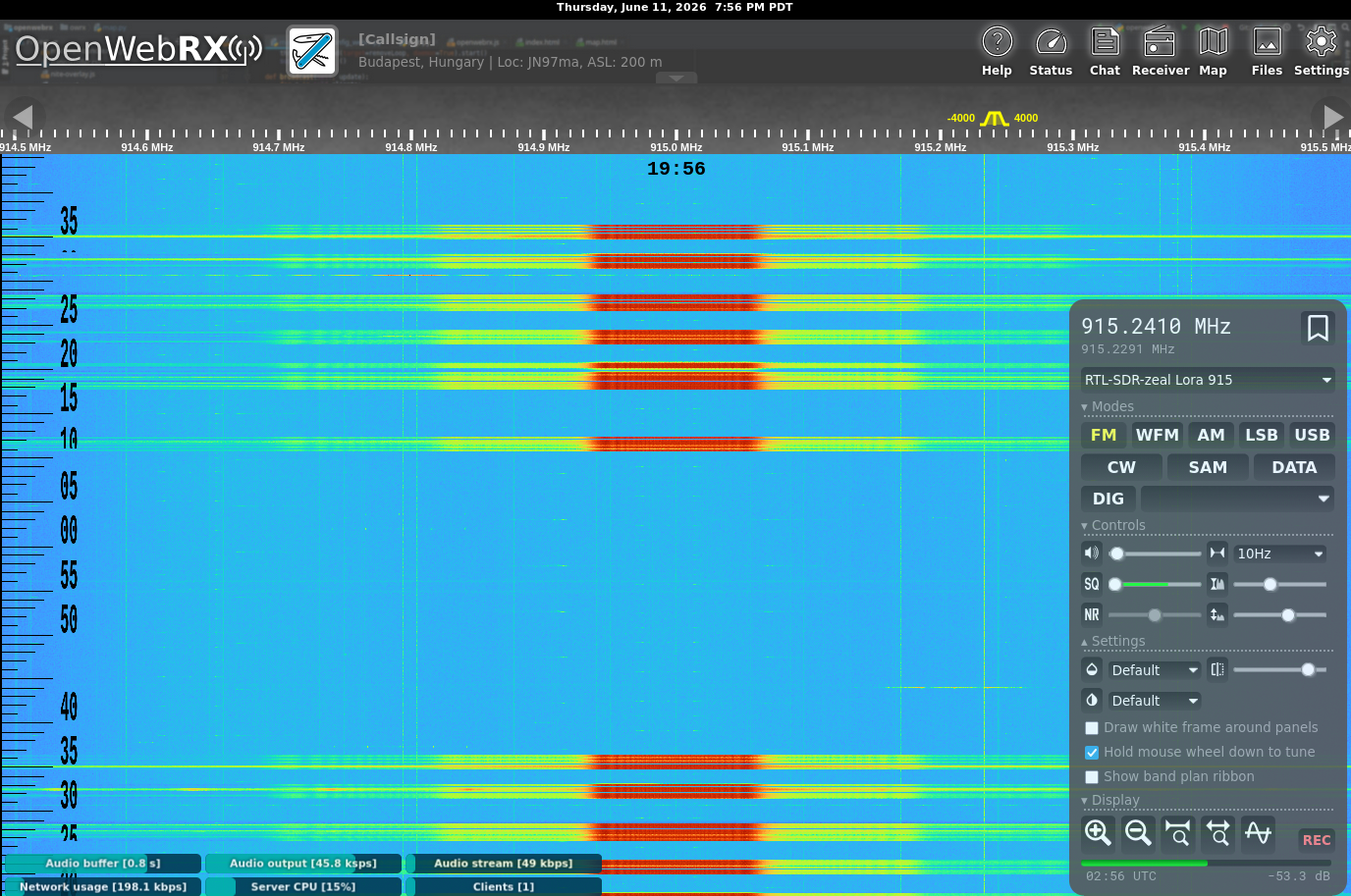
highly technical I’m testing microReticulum, a C++ implementation of Reticulum. I’ve specifically been testing the LINK and transport mechanism. I have three units: BOB, CY & DAN. While all three units are within broadcast range of one another, I have purposefully caused BOB and CY not to be able to receive each other’s transmissions. This…
-

Creating A Specification After the Fact Using AI
Introduction Protocol specifications are normally written before independent implementations are attempted. The specification is the common contract: it tells each implementer what must be sent, what must be accepted, what may be rejected, and what behavior is expected. Reticulum and LXMF present a different problem: much of the “protocol” must be inferred from a working…
-
Herding T-Beam Cats
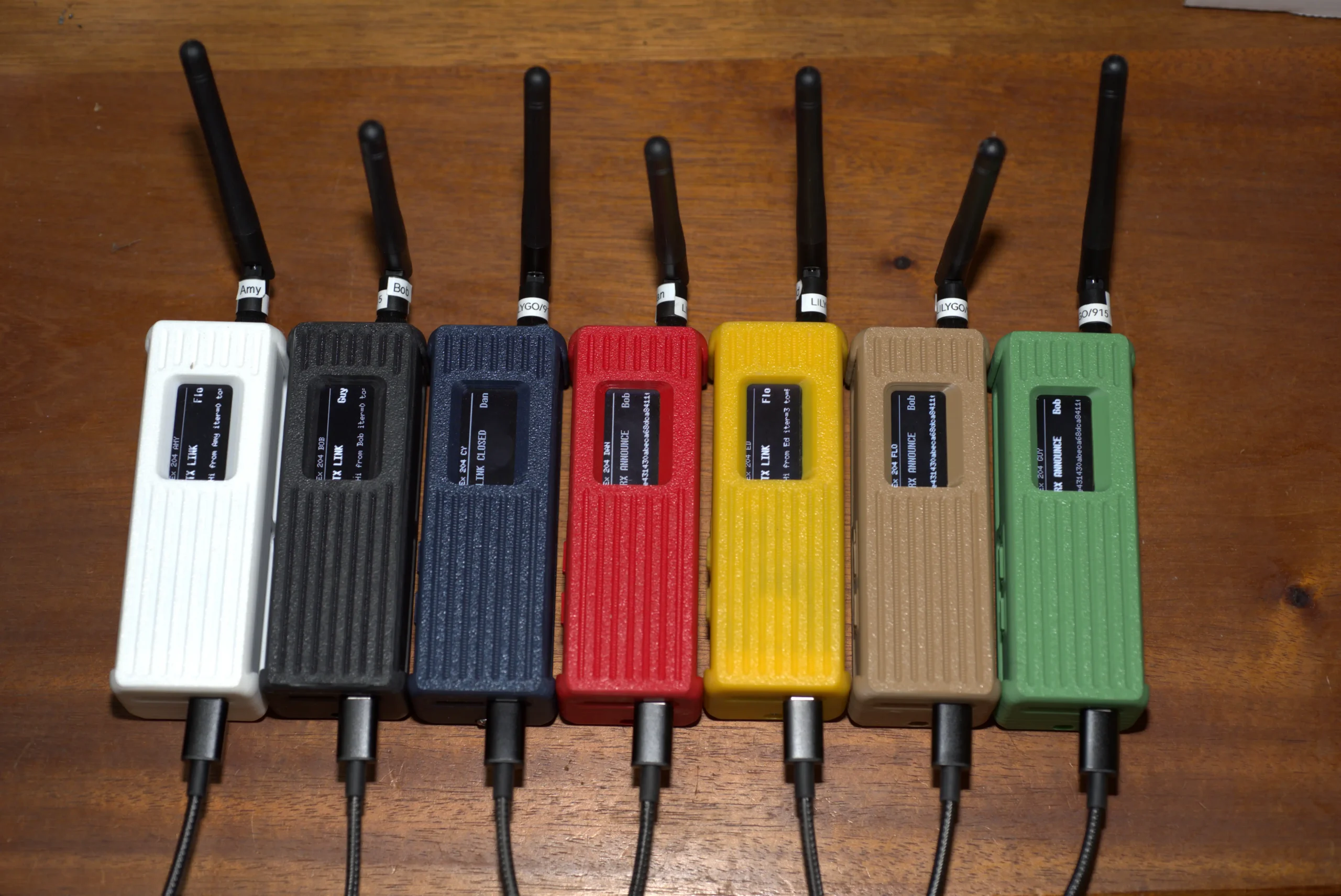
Highly technical, but written for those who are blessed with curiosity Introduction I’m testing microReticulum, a C++ implementation of the Reticulum protocol developed by Chad Attermann, on 7 LilyGo T-Beam SUPREMEs. The T-Beams use the ESP32-S, a game-changing small processor. I’ve built an elaborate testing bench which I wanted to document should someone in the…
-
Hardware-in-the-Loop AI Debugging: Reticulum Bluetooth on the T-Beam Supreme Works
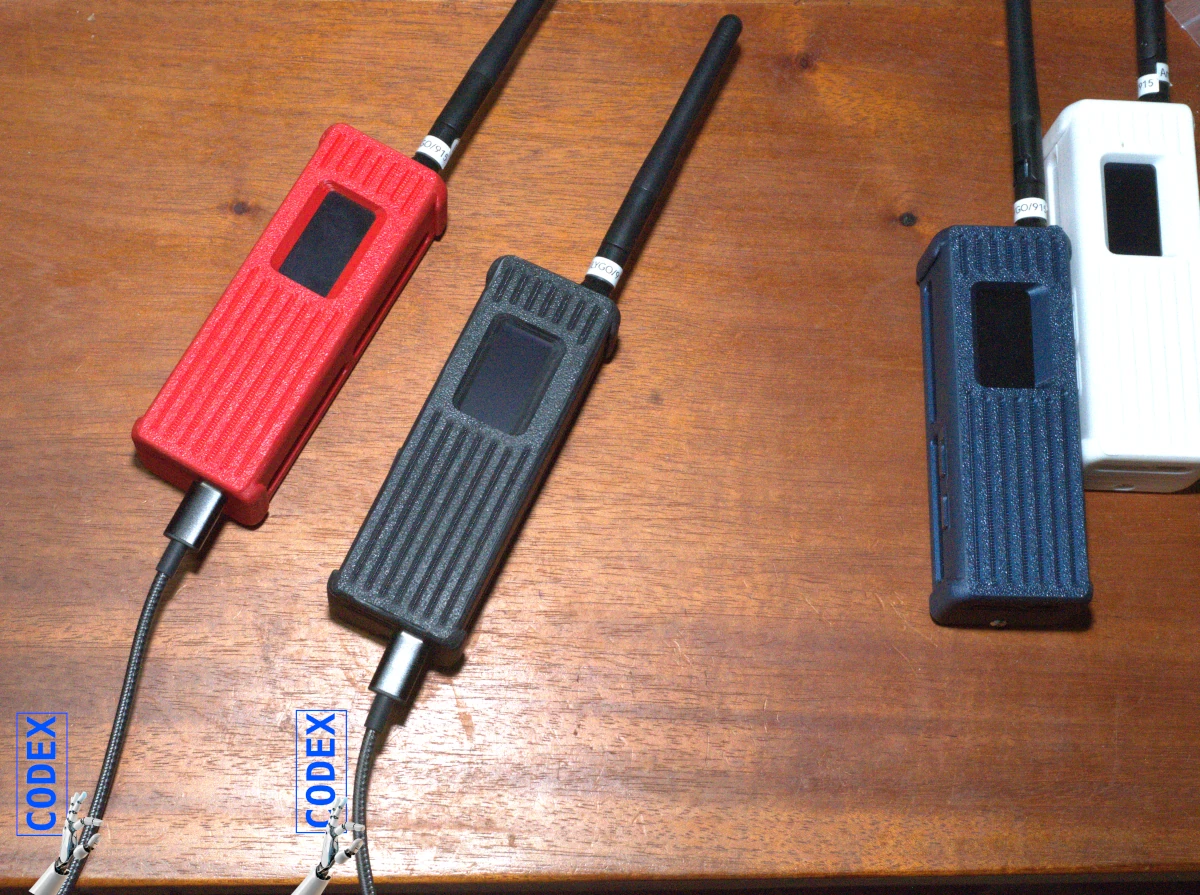
Highly Technical Harnessing AI to control USB-connected devices can dramatically shorten hardware debugging cycles. I have successfully integrated the ble-reticulum C++ (protocol created by Torlando) interface into the microReticulum code. I built a binary image for the ESP32-based LilyGo! T-Beam SUPREME which I loaded into two T-Beams. The two T-Beams then negotiate a Bluetooth “pairing”…